
Civil Law Eviction Guide for Landlords: Understanding How to Issue a Valid Eviction Notice
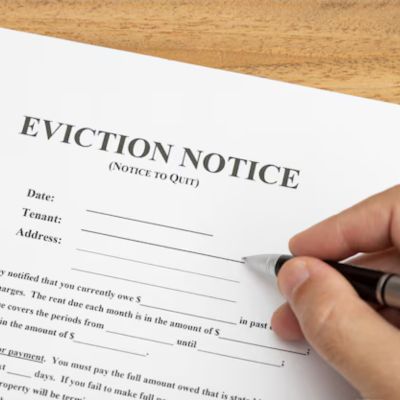
Landlords often need to issue an eviction notice when a tenant must leave the property. To ensure the notice is legally valid and enforceable, it is important to understand the steps involved under civil law. The guide below highlights the essential elements every landlord should follow when preparing an eviction notice.
Steps in Preparing and Serving an Eviction Notice
- Review the Tenancy Agreement
Before initiating any eviction process, carefully examine the tenancy agreement. It outlines the agreed conditions and specifies when the landlord has the legal right to end the tenancy.
- Identify the Grounds for Eviction
Evictions may occur due to unpaid rent, violation of lease terms, property damage, or the natural end of the lease period. A legally compliant eviction notice must clearly mention the grounds for removal.
- Draft and Serve the Eviction Notice
The notice must specify the reason for eviction and the date by which the tenant should vacate the property. All details should follow local legal standards to avoid procedural issues.
- Deliver the Notice Using Approved Methods
Civil law guidelines require that eviction notices be delivered through acceptable methods. These may include in person delivery, registered post, or service by an authorized process server.
- Follow the Mandatory Waiting Period
Most eviction processes include a waiting period during which the tenant can correct the issue, such as paying overdue rent or addressing a lease violation. This step is legally required and must be honored.
- File an Eviction Case in Court
If the tenant does not comply within the specified period, the landlord may file an eviction case in civil court. The court will then schedule a hearing to review the dispute.
- Attend the Court Hearing
Both parties present their evidence and statements before the judge. If the court rules in favor of the landlord, an eviction order will be issued with a deadline by which the tenant must leave.
- Enforce the Eviction Order
If the tenant fails to vacate by the deadline, the landlord may request assistance from local law enforcement to enforce the court ordered eviction.
Common Types of Eviction Notices
- Pay or Quit Notice
Used when tenants have failed to pay rent. It gives the tenant a short period to make the payment or leave the property.
- Breach of Agreement Notice
Issued when the tenant violates any term of the rental agreement, such as unauthorized subletting or other prohibited conduct.
- Property Damage Notice
Applicable when the tenant causes noticeable damage to the property, whether intentional or accidental.
- Illegal Use Notice
If the property is being used for illegal activities, the landlord may issue an immediate notice requiring the tenant to vacate.
When Legal Assistance Is Helpful
Eviction procedures can be complex, and even small mistakes may lead to delays or legal challenges. Landlords facing difficulties or unfamiliar with civil law procedures may benefit from consulting an experienced eviction lawyer. Professional guidance helps ensure that every step is completed correctly and in compliance with legal requirements.